.png)
Solar Plant for Commercial in Gurgaon: Complete Guide for Businesses to Reduce Energy Costs
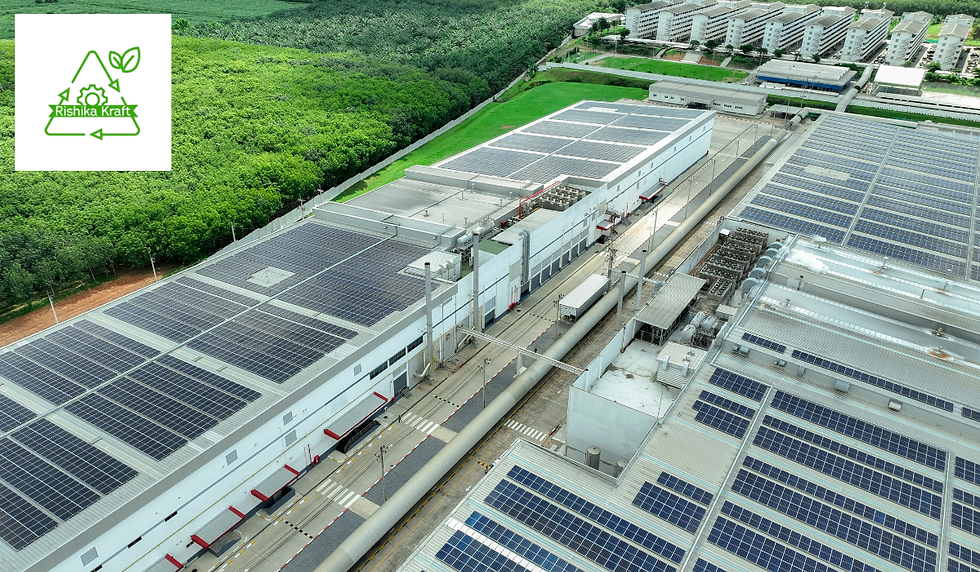
Direct Answer
A Solar Plant for Commercial in Gurgaon helps businesses generate clean electricity, reduce operating expenses, and improve energy efficiency. A professionally designed commercial solar plant provides long-term savings, dependable power generation, minimal maintenance, and an excellent return on investment while supporting sustainable business operations.
Introduction
Commercial establishments in Gurgaon face continuously rising electricity costs due to increasing operational requirements. Manufacturing units, warehouses, office buildings, hotels, hospitals, educational institutions, and retail spaces consume significant electricity during daytime working hours, making solar energy one of the most practical investments for long-term cost reduction.
Installing a commercial solar plant is not simply about placing solar panels on a rooftop. It requires detailed engineering, energy analysis, quality equipment, professional installation, and ongoing maintenance. When properly designed, a commercial solar project delivers reliable electricity generation for decades, helping businesses reduce operational expenses while improving environmental sustainability.
Why Invest in a Solar Plant for Commercial in Gurgaon?
Commercial solar systems are designed to meet the high electricity demands of businesses while reducing dependence on conventional grid power.
A complete commercial solar solution generally includes:
Detailed energy audit
Site feasibility assessment
Structural evaluation
Customized engineering design
High-efficiency solar panels
Premium inverter technology
Professional installation
Electrical safety compliance
Performance monitoring
Preventive maintenance support
These services ensure maximum energy production and long-term operational reliability.
Understanding Commercial Solar Plants
Commercial solar plants use photovoltaic (PV) technology to convert sunlight into usable electricity. The generated energy powers daily business operations, reducing dependence on grid electricity and lowering monthly utility expenses.
A typical commercial solar plant includes:
Solar PV modules
Grid-connected inverter
Mounting structures
DC and AC protection systems
Monitoring software
Cabling and connectors
Earthing and lightning protection
Each component is carefully engineered to maximize efficiency, safety, and long-term performance.
Benefits of Commercial Solar Power
Commercial solar projects provide significant financial, operational, and environmental benefits.
Financial Benefits
Lower monthly electricity bills
Reduced operational expenses
Faster return on investment
Protection against rising electricity tariffs
Improved business profitability
Operational Benefits
Reliable daytime electricity generation
Low maintenance requirements
Long equipment lifespan
Real-time system monitoring
Greater energy independence
Environmental Benefits
Reduced carbon emissions
Clean renewable electricity
Support for sustainability initiatives
Reduced dependence on fossil fuels
Commercial Rooftop Solar for Modern Businesses
Businesses with sufficient rooftop space can benefit significantly from Commercial Rooftop Solar in Gurgaon.
Suitable applications include:
Manufacturing facilities
Warehouses
Corporate offices
Hotels
Hospitals
Shopping malls
Educational institutions
Industrial plants
Commercial rooftop systems utilize unused roof space to generate clean electricity without affecting normal business operations.
Key Features of a High-Quality Commercial Solar Plant
A professionally engineered system combines quality equipment with expert installation.
Important features include:
High-efficiency solar panels
Premium inverter technology
Corrosion-resistant mounting structures
Certified electrical protection systems
Smart monitoring platform
Comprehensive warranties
Professional installation standards
Preventive maintenance support
Investing in premium components improves electricity generation and reduces long-term maintenance costs.
Comparison: Commercial Solar vs Conventional Electricity
Feature | Commercial Solar | Conventional Grid Electricity |
Energy Source | Renewable Sunlight | Utility Grid |
Monthly Electricity Cost | Significantly Lower | Recurring Monthly Expense |
Carbon Emissions | Very Low | High |
Maintenance | Low | Not Applicable |
Long-Term Savings | Excellent | Limited |
Energy Independence | High | Low |
Commercial solar systems provide businesses with greater financial stability and long-term operational efficiency.
Practical Considerations Before Installation
Proper planning ensures maximum energy production and return on investment.
Energy Consumption
Analyze electricity bills from the previous year to determine the ideal system capacity.
Roof Assessment
Evaluate roof strength, available installation area, and shading conditions before designing the project.
Equipment Selection
Choose certified solar panels, premium inverters, and durable mounting structures.
Future Expansion
Design the system with future electricity demand in mind.
Regulatory Compliance
Ensure compliance with utility approvals, net metering regulations, and electrical safety standards.
Industry Trends in Commercial Solar
Commercial solar technology continues to advance with innovations that improve efficiency and simplify energy management.
Current trends include:
TOPCon and N-Type solar modules
AI-powered performance monitoring
Smart string inverters
Battery energy storage integration
Predictive maintenance software
Digital energy management platforms
Remote diagnostics
Many organizations prefer working with an experienced Solar Epc Company in Gurgaon to manage engineering, procurement, construction, commissioning, and long-term maintenance under one integrated solution.
How to Choose the Right Commercial Solar Partner
Selecting the right commercial solar provider is essential for achieving reliable system performance and long-term savings. An experienced company understands commercial energy requirements and delivers customized solutions instead of standard installations.
Before making your decision, evaluate the following:
Review the company's experience in commercial and industrial projects.
Verify engineering expertise and technical certifications.
Compare the quality of solar panels and inverter brands.
Request a detailed energy audit and site survey.
Understand product and installation warranty coverage.
Evaluate monitoring and preventive maintenance services.
Check compliance with electrical and safety standards.
Compare lifecycle value rather than focusing only on the lowest quotation.
A professionally planned commercial solar project delivers higher energy production and better financial returns over its lifetime.
Why Engineering Quality Matters
The efficiency of a commercial solar plant depends on proper engineering and project execution.
Experienced Solar Rooftop Companies in Gurgaon focus on:
Customized System Design
Every project is designed according to electricity consumption, rooftop area, and business expansion plans.
Structural Analysis
Engineers assess roof strength and loading capacity to ensure long-term safety.
Professional Installation
Certified technicians follow industry standards for installation, electrical protection, and commissioning.
Performance Monitoring
Digital monitoring platforms help businesses track electricity generation and identify maintenance requirements quickly.
This systematic approach improves reliability and ensures consistent energy generation for decades.
Common Mistakes to Avoid
Many commercial solar projects underperform because of avoidable planning errors.
Avoid these common mistakes:
Selecting a provider based only on project cost
Ignoring roof structural evaluation
Installing an incorrectly sized system
Choosing uncertified solar equipment
Overlooking inverter quality
Ignoring warranty conditions
Delaying preventive maintenance
Not planning for future energy expansion
Careful planning and professional engineering help maximize the return on investment.
Expert Insights for Better Commercial Solar Performance
Industry experts recommend the following best practices:
Conduct a comprehensive energy audit before system design.
Choose certified, high-efficiency solar panels.
Install premium inverters with intelligent monitoring.
Optimize panel orientation and tilt angle.
Schedule routine cleaning and preventive maintenance.
Monitor system performance regularly.
Consider future business expansion during project planning.
Following these recommendations helps maintain high energy production while reducing long-term operational costs.
Why Commercial Solar Is a Strategic Investment
Commercial solar is no longer viewed only as an environmental initiative—it has become a strategic business investment.
Key long-term benefits include:
Lower electricity expenses
Improved operating margins
Greater energy independence
Stable long-term energy costs
Increased property value
Reduced carbon footprint
Enhanced corporate sustainability
Excellent return on investment
As electricity demand and utility tariffs continue to increase, investing in commercial solar helps businesses improve profitability while supporting sustainable growth.
Frequently Asked Questions
1. What is a commercial solar plant?
A commercial solar plant is a photovoltaic system designed to generate electricity for businesses, offices, factories, warehouses, institutions, and other commercial facilities.
2. Which businesses benefit the most from commercial solar?
Manufacturing units, warehouses, corporate offices, hospitals, educational institutions, hotels, shopping malls, and industrial facilities can all benefit from commercial solar installations.
3. How long does a commercial solar system last?
Most premium solar panels are designed to operate efficiently for more than 25 years with routine maintenance and performance monitoring.
4. Does a commercial solar plant require frequent maintenance?
No. Regular panel cleaning, periodic inspections, and digital monitoring are generally sufficient to maintain efficient system performance.
5. How is the right system size determined?
The appropriate system capacity depends on annual electricity consumption, available rooftop area, operational requirements, and future expansion plans.
6. What should businesses compare before choosing a commercial solar provider?
Evaluate engineering expertise, project portfolio, equipment quality, installation standards, warranty coverage, maintenance support, customer service, and long-term lifecycle value before making a decision.
Conclusion
A professionally designed commercial solar plant is one of the most effective investments for reducing electricity costs, improving operational efficiency, and supporting long-term business sustainability. High-quality engineering, certified equipment, professional installation, and ongoing maintenance are essential for maximizing energy generation and financial returns. Businesses that carefully evaluate technical expertise, project experience, and after-sales support are better positioned to achieve reliable performance for decades. Rishika Kraft Solar delivers customized commercial solar solutions with advanced engineering, premium-quality components, expert installation, and dependable service support, helping organizations transition to clean, efficient, and cost-effective renewable energy with confidence.


